

Athlete With A Proximal Hamstring Rupture or Avulsion?
Clear answers. Realistic decisions. Structured recovery.
Orthopaedic, evidence-based decision support and phase-based rehab systems for serious athletes with hamstring avulsions.
Free Patient Education For Serious Hamstring Avulsions
Two essential guides + one supportive community to help you stop guessing and start deciding.
Start here if you’ve just been diagnosed or are trying to understand the injury.
-
The Proximal Hamsting 101 Guide
A simple, visual overview of what a proximal hamstring avulsion actually is and how it’s different from a “normal” hamstring strain
Written for active, intelligent people in normal language – no clickbait, no scare tactics, no random opinions
-
The Athlete Identity Support Guide (AISG)
Serious proximal hamstring rupture or avulsion – and you don’t feel like yourself anymore?
This free guide and mini‑course are for athletes and active people.
Language you can take to your surgeon / physio so you can be an active partner in decisions, not just a passenger
-
Understanding Proximal Hamstring Avulsion Guide (UPHAG)
What the injury really is, how MRI findings matter, and where the real grey zones are.
-
Proximal Hamstring Avulsion Pathway (PHAP)
The full medical + rehab pathway so you know what usually comes next.
-
Athlete Transition Lab Community (ATLC)
A focused space for athletes dealing with the same rare injury, so you’re not alone with it.
Medical-grade decision support & recovery systems
When free education isn’t enough, there are two moments where serious athletes most regret not having more support:
The surgery vs rehab decision you’ll live with for years.
The post-op phase where you’re “cleared” but nowhere near real sport
That’s where the paid services fit, with your local team, not instead of them.
-
Hamstring Surgery Clarity Audit (HSCA)
SURGERY VS REHAB DECISION - €250
A structured, hamstring-specific telemedical second opinion designed for true grey-zone cases.
What HSCA does
• Reviews your MRI, symptoms, timing, and sport demands
• Places your case on the clear surgery / clear rehab / true grey-zone spectrum
• Gives you a written decision brief + concrete questions for your surgeon and physioSo you walk into appointments calm, prepared, and informed, not guessing.
50% credited toward OYHR if you join within 30 days
-
Hamstring Recovery Roadmap Call (HRRC)
AFTER SURGERY, NOW WHAT? - €150
A 45-minute 1:1 call + written 12-week roadmap for athletes who feel patched up but directionless.
This is for you if
• Surgery is done (or clearly chosen)
• Rehab feels vague, conflicting, or stalled
• You want a phase-matched plan instead of “just keep going”You leave knowing:
This is my current phase, these are my priorities, and this is how the next 12 weeks should look.
75% credited toward OYHR if you join within 30 days
-
Own Your Hamstring Recovery (OYHR)
FULL 6-MONTH COMEBACK SYSTEM - €1,800
A 24-week, phase-based, physician-designed recovery system built only for post-surgery proximal hamstring avulsions.
Includes:
• Personalized Recovery Navigator
• Phase-gated training videos (not calendar guessing)
• Mental resilience tools for “cleared but scared”
• Weekly progression check-ins
• 4 coaching calls
• Community + all educational guidesNo promise of a specific return-to-sport date.
Promise: you stop guessing and follow a clear, hamstring-specific system.
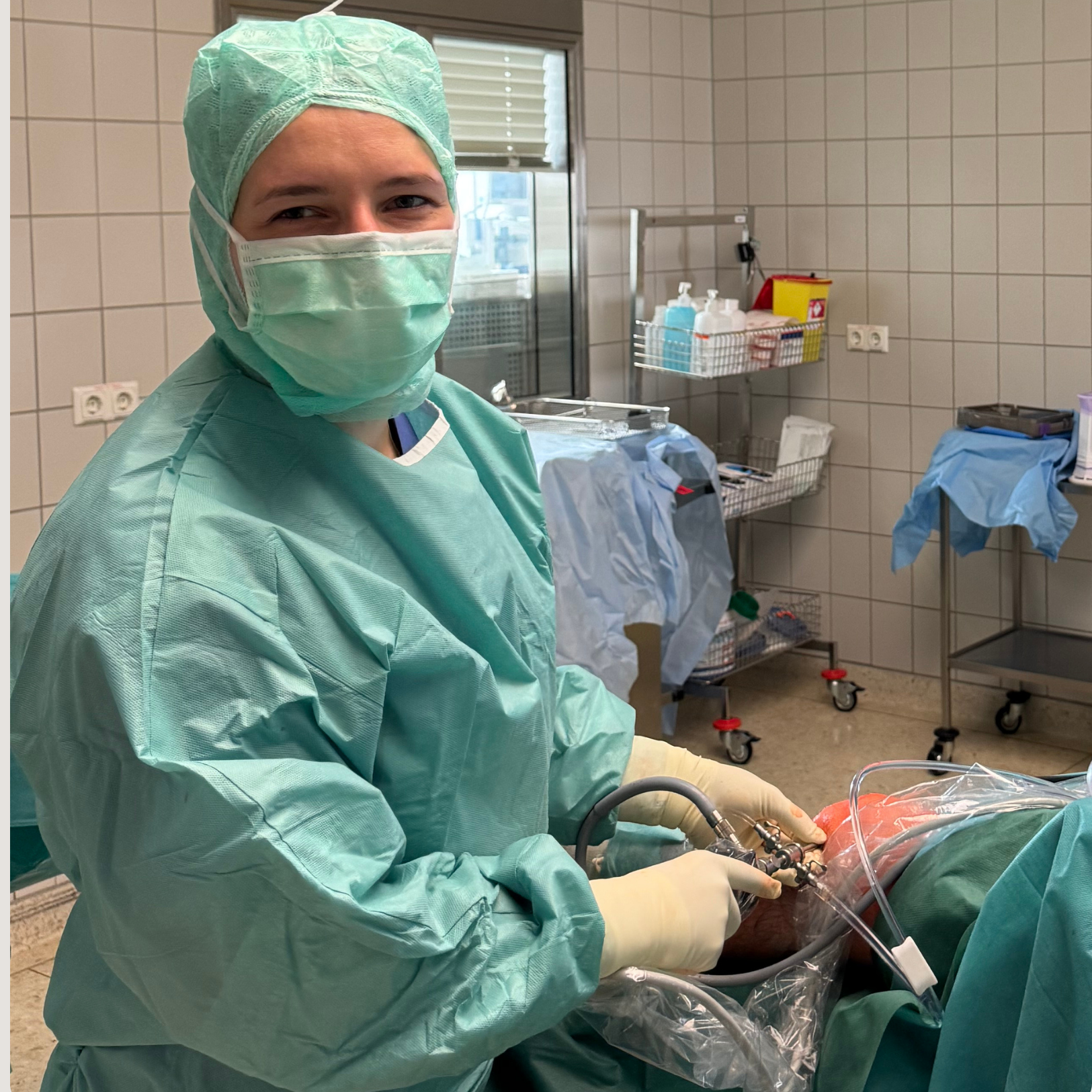
About the Founder and DoctorDr. Luise “Loopi” Weinrich
Founder of Athlete Transition Lab
Dr. Luise “Loopi” Weinrich is the founder of Athlete Transition Lab and an orthopaedic & trauma surgeon focused on sports. Over the past 7+ years she has spent hours in operating rooms treating complex sports injuries, alongside sports and orthopaedic research. Before ATL, she spent 20 years as an elite breaker (German Red Bull BC One Champion, German Olympic Breaking Team), giving her the rare combination of being both the doctor and the athlete.
Her work now centres on one niche: serious athletes with proximal hamstring ruptures/avulsions. Through free guides (UPHAG, PHAP), a dedicated community, the Hamstring Surgery Clarity Audit (HSCA), and the 24‑week Own Your Hamstring Recovery (OYHR) system, she turns fragmented care into clear decision‑support and phase‑based rehab that athletes can run together with their local teams.
Her principles are simple:
Evidence first, stories second - start with base rates and real outcomes, then place each athlete’s story on that curve.
Decisions before drills - a clear surgery‑versus‑rehab decision and mapped pathway come before sets and reps.
Systems, not pure willpower - rehab is designed like a season plan: phases, progression rules, and check‑ins.
With your team, not instead of them - local surgeons and physios stay in charge; her work adds structure, language, and decision‑support on top.
Her mission with Athlete Transition Lab is to make high‑quality, hamstring‑specific education and recovery systems accessible to serious athletes and their clinicians, so no one has to bet their sport career on guesswork.
Frequently Asked Questions
-
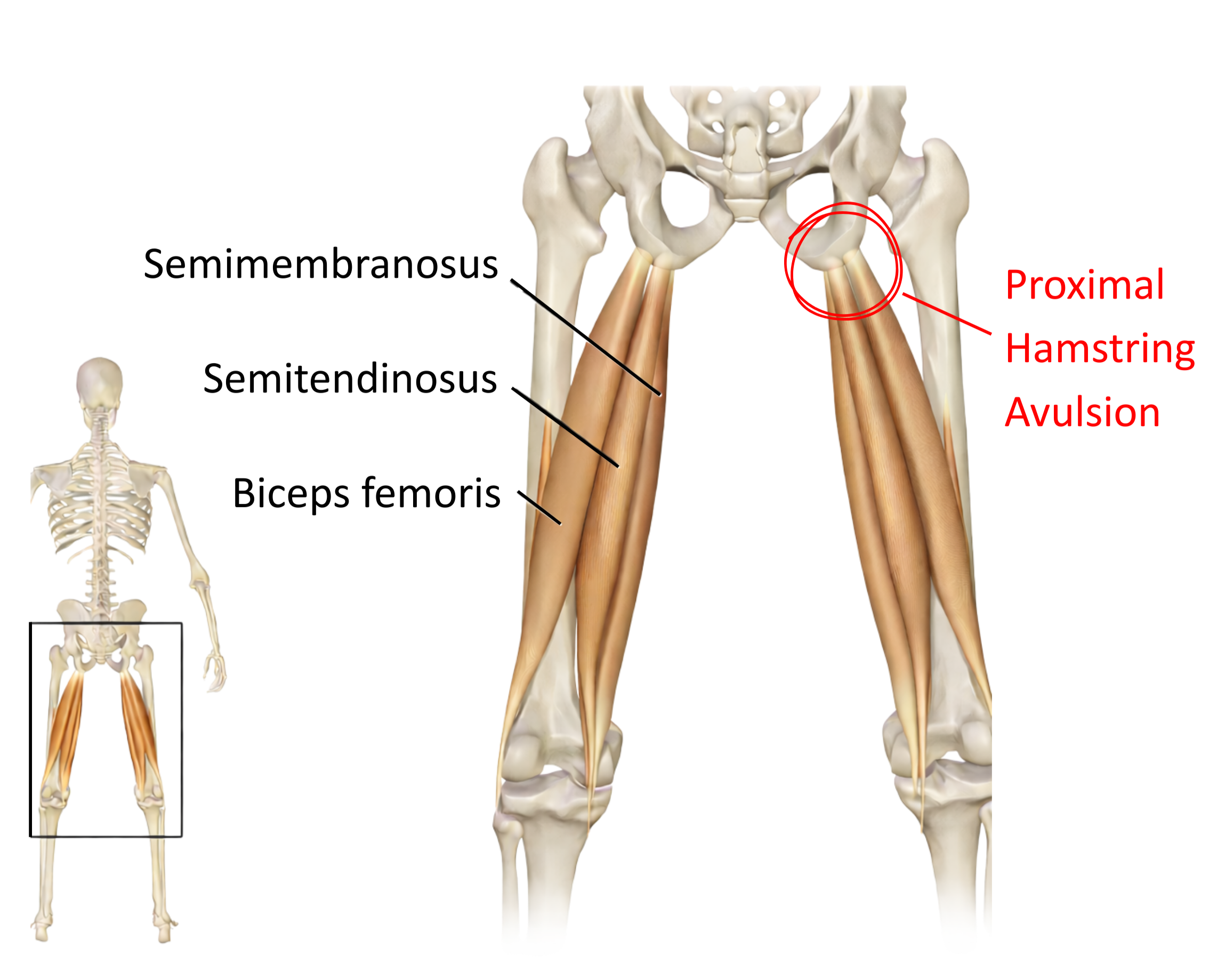
A proximal hamstring rupture/avulsion is when one or more of the hamstring tendons pull off the bone high up at the sitting bone (ischial tuberosity), rather than tearing in the muscle belly like a typical “strain.” That changes how it behaves, how it’s seen on MRI, and how we think about surgery vs rehab and return‑to‑sport.
If you want the full, plain‑language version – what it is, how doctors read tendons and retraction, and where the real grey zones are – the Understanding Proximal Hamstring Avulsions Guide (UPHAG) walks through all of that in one place.
Answer in one evening:
Download the free UPHAG guide -
No – I can’t and won’t give you a personal “yes/no” on surgery from a website.
Your own surgeon/physio, who can examine you in person and see all your imaging, always stays in charge of diagnosis and treatment. My role is different: I help you understand the evidence and trade‑offs so you’re not guessing when you sit in front of them.
That’s what the Hamstring Surgery Clarity Audit (HSCA) is for. HSCA doesn’t replace your local team or overrule them. It:
Takes your MRI, symptoms, sport demands, timing, and fears
Places your case on the clear surgery / clear rehab / true grey‑zone spectrum
Gives you a written decision brief and specific questions to take back to your surgeon and physio
So instead of “I don’t know what to ask,” you walk into the room with a calm, structured surgery‑versus‑rehab discussion ready to have.
If you’re stuck between operate vs rehab:
Learn about HSCA -
No. Nothing on this site – not UPHAG, not HSCA, not OYHR – is meant to replace your surgeon or physio.
Think of it this way:
Your local team: diagnoses, examines, prescribes, operates, adjusts medication and protocols.
My work: explains the injury and evidence in normal language, organises the decision, and gives you a system to follow so you’re not improvising week‑to‑week.
The paid services exist because:
UPHAG and PHAP can show you the landscape,
But someone still has to help you apply that to your exact case (HSCA), and
Someone needs to help you turn “go do rehab” into a 24‑week, phase‑based plan after surgery (OYHR).
So the relationship is always:
with your team, not instead of them.
The better educated and structured you are, the easier it is for them to help you at a high level. -
You’re a good fit for HSCA if:
You’re a serious athlete (sport matters deeply to you)
You have a suspected or confirmed proximal hamstring rupture/avulsion
You’re getting mixed messages about surgery vs rehab, or feel rushed to “just decide”
You want a calm, written decision brief and better questions for your next consult, not another vague opinion
You’re a good fit for OYHR if:
The surgery decision is already made or surgery is done
You’re medically cleared for that path, but feel “patched up and directionless”
You’re tired of guessing load, relying on motivation, or stopping at “jogging and a few exercises”
You want a 24‑week, hamstring‑specific recovery course with videos, sport‑specific progressions, mental tools, and check‑ins – run together with your physio and surgeon
Free guides and the community will take you a long way.
HSCA and OYHR exist for the two moments where most serious athletes regret not having more help:When you’re about to make a surgery‑versus‑rehab decision you’ll live with for years (HSCA)
When you’re “cleared” but still a long way from the sport you actually play (OYHR)
If you don’t want to guess at either of those stages:
See if HSCA or OYHR fits your situation
Client TestimonialsProof From Athletes Like You
“Before talking to Loopi I was stuck, because no doctor took my pain serious. After our session I finally understood what was going on, what my realistic options were, and which path actually made sense for me.”
- S.S., Breaker
S.S., 28 years old, is a Pro Bgirl from the German Olympic Team, who was facing a serious injury and a lot of uncertainty about what to do next. In her consultation with Doc Loopi, they broke down her scans and symptoms, discussed the pros and cons of surgery vs conservative care for her specific situation, and defined concrete next steps. She left with far less anxiety, a decision she could stand behind. She chose the conservative path and is currently recovering, we wish her all the best!
“Dr. Weinrich helped when stubborn pain from my hip down to my calf wouldn’t settle after I returned to running. I’d tried other approaches, but no one found a solution until we did a dry needling session. The pain finally started moving in a good direction, although we only managed one session together.”
- R.W., recreational runner
R.W., 53 years old, recreational runner, came to Doc Loopi with a myofascial pain syndrome starting around the hip and pulling down toward the calf that wouldn’t settle after returning to running. Together they identified the pattern, used a targeted dry needling session, and had to shift to a simple self‑help plan with a blackball. With that routine, R.W. now manages symptoms himself and is able to run continuously.
“Loopi helped me cut through all the mixed messages, understand my MRI in plain language, and leave with a plan I actually trusted. I felt like someone she really saw both the surgery and the athlete in me.”
- S.H., dancer
S.H., 41 years old, has been a dancer for over 25 years who faced a serious injury and a lot of conflicting advice. In his call with Doc Loopi, they went through his MRI and history together, clarified what the findings really meant, and mapped out his next steps. Instead of guessing between opinions, he left with a clear decision, realistic expectations, and a structured roadmap back to performance. He's been back dancing and improving the past months...